



Why Aerification is Non-Negotiable for a Healthy Lawn: A Guide with the LA-418 Aerator
1.What is Aerification Lawn(Lawn Aeration)?
Aerification Lawn refers to the process of aerating a lawn. This process is typically used to improve the health and appearance of the lawn, especially under conditions of high usage or poor soil quality.
Key Details:
Core Aeration (Most Effective Method): This process uses a machine with hollow tines to physically remove plugs or "cores" of soil and thatch from the lawn. These soil plugs are deposited on the surface where they break down over time.
Spike Aeration (Less Effective): This method uses solid tines or spikes to simply poke holes into the soil without removing any material. It is often less effective as it can contribute to further compaction around the holes.
Primary Goal of Aerification Lawn: The core purpose is to combat soil compaction, which occurs from foot traffic, mowing, and other activities. Compacted soil prevents essential elements from reaching the grass's root system.
2.Is it Worth Aerating a Lawn? (The Value of Aerification Lawn?)
Yes, aerating a lawn is overwhelmingly considered worth the effort and is a high-value practice for maintaining a healthy, resilient turf. The benefits of Aerification Lawn directly address problems that watering and fertilizing cannot fix.
See how the powerful LA-418 lawn aerator machine makes it easy. Expert tips inside.
Aerification Lawn, lawn aeration benefits, how to aerate lawn, soil compaction solution, best time to aerate
lawn, LA-418 core aerator, professional lawn aerator machine, how to fix compacted soil.
Why Aerification is Non-Negotiable for a Healthy Lawn: A Guide with the LA-418 Aerator.
If you're seeking a thick, lush, and resilient lawn, surface-level care like watering and mowing isn't enough.
3.Here’s why Using the LA-418 for Aerification Lawn is worth it:
Alleviates Soil Compaction: This is the primary benefit. Aerification physically relieves pressure in the root zone, giving grass roots the space they need to expand and grow deeply.
Enhances Air Exchange: It allows oxygen, which is critical for root growth and soil microbial activity, to penetrate the root zone. This process is a core function of Aerification Lawn.
Improves Nutrient and Water Uptake: The holes created allow water, fertilizers, and other nutrients to infiltrate the soil and reach the root system efficiently instead of washing away over compacted soil. This makes your lawn care inputs more effective and can save money.
Reduces Thatch Accumulation: Core aeration helps control thatch (the layer of dead organic matter) by bringing soil microbes to the surface. These microbes accelerate the decomposition of the thatch layer, preventing it from becoming too thick and harmful.
Promotes Stronger Root Development: With reduced compaction and improved access to air, water, and nutrients, grass roots are encouraged to grow deeper. This leads to a lawn that is more drought-tolerant and resilient.
Improves Overall Turf Health and Density: A lawn that can "breathe" and absorb nutrients effectively will be thicker, greener, and better able to outcompete weeds and resist disease.
The LA-418 Lawn Aerator: Your Tool for Transformation
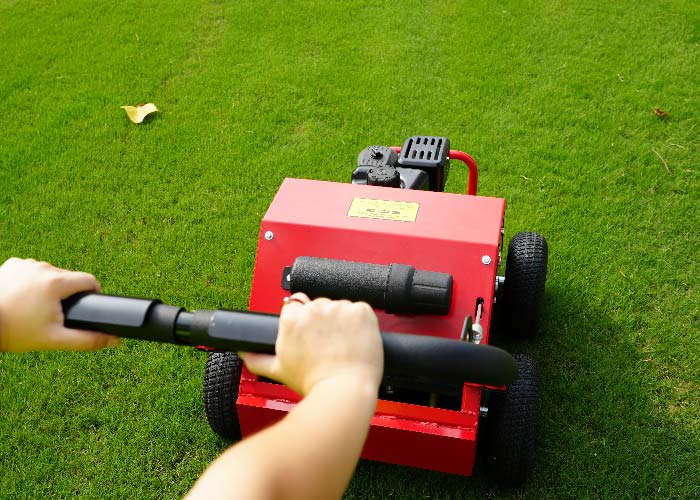
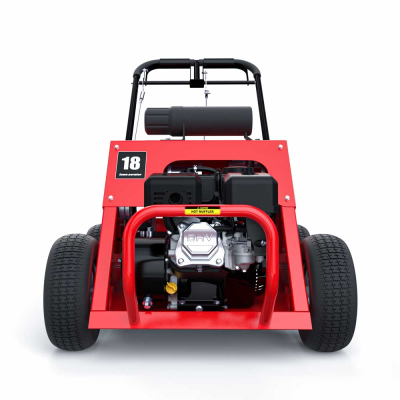
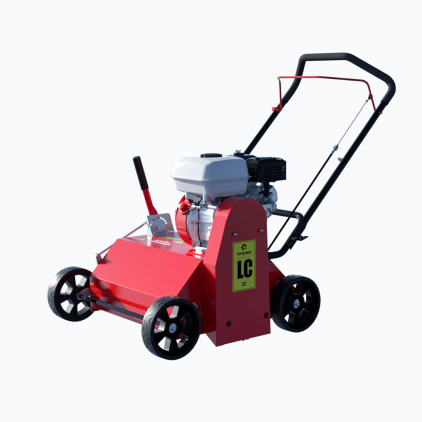
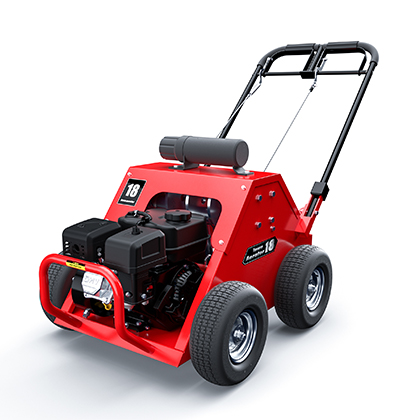
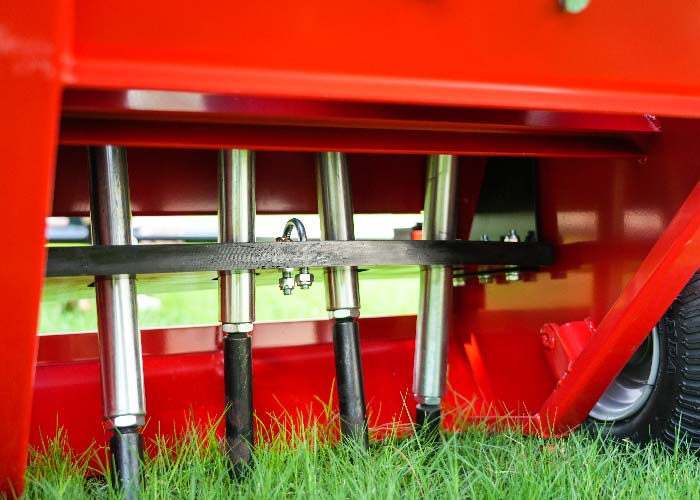
Tackling compacted soil requires powerful equipment. The Jade Garden LA-418 core aerator is engineered for
this exact purpose. Its 6.5HP Briggs & Stratton engine delivers consistent power to penetrate even the toughest
ground. With 4 hardened steel tines that extract cores down to 90mm (3.54 inches), it ensures a deep and effective treatment.
4.Post-operative care using LA-418 for hole drilling and ventilation:
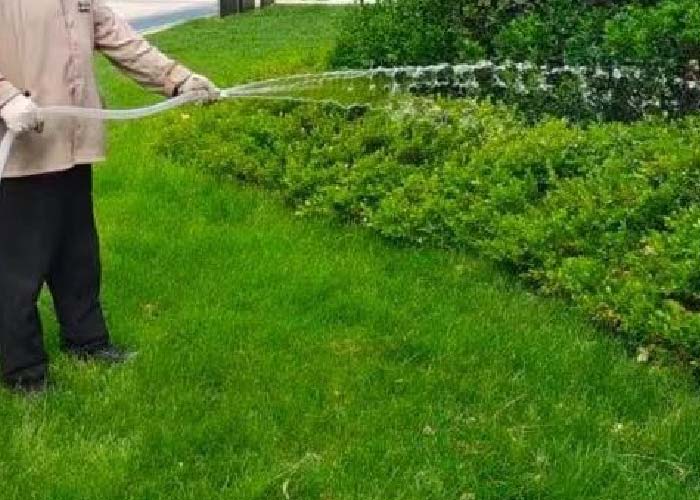
Watering: After aeration, the lawn needs adequate water to aid recovery.
Fertilizing: Fertilizer can be applied after aeration to promote rapid recovery and growth.
Topdressing: Sometimes, a layer of fine sand or organic material is spread after aeration to further improve soil structure.
5.What is the best month to aerate your lawn?
Ideal Timing: The best time to perform aerification is during the lawn's peak growing season so it can recover quickly.
Cool-season grasses (e.g., Fescue, Kentucky Bluegrass): Aerate in early fall or spring.
Warm-season grasses (e.g., Bermuda, Zoysia): Aerate in late spring to early summer.
Frequency: Depending on the usage of the lawn and soil conditions, it is generally recommended to perform aeration 1-2 times a year.